Release a cover, the right way.
Recording a song someone else wrote? A cover is a faithful re-recording of a track that's already public. Depending on where the song originates and where you distribute it, you may need a mechanical licence first — and wavbee partners with Easy Song Licensing to clear 100% of the rights you need, usually in 1–2 business days.

Real people, free research, rights done right. Easy Song clears the rights you need and sends Proof of Licensing straight to your inbox.
Easy Song Licensing is wavbee's cover-song licensing partner.
A licence depends on where it goes.
Whenever you record a song you didn't write, the songwriter and publisher still own the composition. Whether you have to clear a mechanical licence before release comes down to where the song originates and where you plan to distribute it.
Download stores need a licence
Selling your cover as a download on iTunes, Amazon, or similar? You need a mechanical licence before you submit — Easy Song clears it for you.
Streaming and UGC usually don't
If you're only distributing to streaming services or creator/UGC libraries, a mechanical licence generally isn't required — outside the three territories below.
India, Pakistan & Mexico always do
For songs that originate in India, Pakistan, or Mexico, authorisation is required no matter how you distribute — download, streaming, or UGC.
Derivative versions need more
Changing the melody or lyrics, translating the words, or sampling the original recording creates a derivative work or remix that needs separate permission — not a cover licence.
What makes a compliant cover.
A cover has to be a faithful re-recording of a previously released song. Keep to these rules so your release passes review and reaches stores.
Previously released
The original song must already have been released to the public before you record your version.
A faithful recording
Re-record the song yourself without changing the melody or lyrics — no truncating, reordering, or translating the words. Instrumental versions and minimal arrangement changes are fine; anything more becomes a derivative work that needs its own licence.
No sampling the original
You must not use any part of the original master recording. Reusing the original audio makes it a remix and requires a master licence from the recording's rights holder.
Clean metadata
Don't put the original artist's name in the title or any artist field (unless they actually played on your version). Use "Cover" in the version field — never "Mix" or "Remix" — and credit every original songwriter and composer in the publishing fields.
Set the track origin
Mark the Track Origin as "Cover song" when you submit so your release is reviewed correctly.
Mind Content ID
An audibly identical cover isn't eligible for Content ID rights enforcement (YouTube Content ID, Meta Rights Manager). It can often be added to creator/UGC libraries, though that isn't guaranteed.
Finding the original songwriters
Credit every composer and lyricist in the publishing fields. The fastest source is the track's credits on Spotify; for older recordings, search a rights database. Note: for recordings that originate in Brazil, failing to credit the composers can expose you to damages under Brazilian law.
Three steps to a licensed cover.
Easy Song handles the research and the paperwork. You just tell them what you're covering.
Enter your song
Give the song title and the original artist. No need to track down publishers yourself.
Easy Song clears the rights
Real licensing experts research the song and secure 100% of the rights you need to release your version.
Get your licences fast
Usually within 1–2 business days you'll receive Proof of Licensing as a PDF, saved securely in your account.
Licensing, done properly.
- A real person who handles the whole process for you.
- 100% of the rights you need to release, guaranteed.
- Proof of Licensing delivered as a PDF by email.
- Every request stored securely in your Easy Song account.
- An optional Seal of Authenticity with fee-free reorders for life.
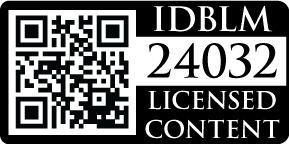
Seal of Authenticity
Have permission? Prove it. The seal links to your Proof of Licensing when it's clicked or scanned, verified in the International Database of Licensed Music (IDBLM.org).
- Show it on your artwork, web pages, and merch.
- Reassure fans, stores, and platforms that your release is cleared.
- Unlock fee-free reorders on that project for life.
Other rights Easy Song can clear.
Custom Licensing
For YouTube, film, TV, advertising, or any use beyond a standard cover — including changed lyrics or melodies, unreleased songs, and international titles. Easy Song's experts negotiate it for you.
Explore custom licensing →Copyright Registration
Protect your original compositions and sound recordings by registering them with the U.S. Copyright Office — reviewed by hand and filed correctly the first time.
Register a copyright →Memberships
Releasing covers or new works regularly? Easy Song memberships add service credits and ongoing discounts for frequent creators.
See membership benefits →We point you to the rights — you own the licence.
wavbee partners with Easy Song Licensing so you have a trusted, fast route to the rights you need — but we don't broker the licence ourselves. You buy it directly from Easy Song, and any Proof of Licensing you need must be in hand before you submit your release to wavbee.
Two things to keep in mind: for songs that originate in India, Pakistan, or Mexico, a standard mechanical licence isn't enough — you'll need direct authorisation (Mexico via EMMAC SACM; for India and Pakistan, contact the rights holder directly). And an audibly identical cover can't be enrolled in Content ID (YouTube Content ID, Meta Rights Manager), though it can often still reach creator/UGC libraries.
Cover licensing questions
What is a cover song?
A new recording of an existing song by someone who isn't the original composer or recording artist. It must be a faithful rendition — no change to the melody, arrangement, or lyrics, including translating them — and the original must already have been released to the public. It must not contain any part of the original master recording; using that audio makes it a remix or mashup, which needs a separate master licence.
What is a mechanical licence?
Permission from the owner of the composition to reproduce the song in a recording — whether in a physical format like vinyl or a digital one like a download or stream. The mechanical royalties it covers come from the composition copyright, separate from the recording.
Do I always need a licence for a cover?
No — it depends on where it goes. To sell your cover on download stores like iTunes or Amazon you need a mechanical licence. Distributing only to streaming services or creator/UGC libraries generally doesn't require one. For songs that originate in India, Pakistan, or Mexico, authorisation is always required, whatever the use.
How long does it take?
Easy Song typically clears cover-song rights in 1–2 business days and sends your Proof of Licensing as a PDF.
Does wavbee get the licence for me?
No. wavbee points you to its partner Easy Song Licensing, but you buy the licence directly from them. Have any Proof of Licensing ready before you submit your release.
What about songs that originate in India, Pakistan, or Mexico?
A standard mechanical licence isn't sufficient for those — authorisation is required no matter how you distribute. In Mexico you can obtain a licence from EMMAC SACM; for India and Pakistan, contact the rights holder directly, and plan ahead.
Can I change the lyrics, translate, or sample the original?
Those go beyond a cover. Changing the melody or lyrics, translating them, or using any of the original master recording creates a derivative work or remix that needs separate permission. Easy Song's Custom Licensing can handle changed lyrics or melodies, unreleased songs, and international titles.
Can I put a cover on YouTube or VEVO?
Because YouTube and VEVO are audiovisual, a music video needs a synchronisation (sync) licence on top of the mechanical licence. YouTube's licences cover reproduction and performing rights for most catalogues, and for audio-only or user-generated content the publishing licences aren't your responsibility — but premium music videos need sync rights cleared separately.
How do I find the songwriters to credit?
Check the track's credits on Spotify, the Easy Song search engine, or the ASCAP/BMI repertory, and credit every original composer and lyricist in the publishing fields. For recordings that originate in Brazil, failing to credit them can expose you to damages under Brazilian law.
Will my cover work on Content ID?
An audibly identical cover isn't eligible for Content ID rights enforcement (YouTube Content ID, Meta Rights Manager) — you don't exclusively own the composition. It can often be added to creator/UGC libraries, but that isn't guaranteed.
What is the Seal of Authenticity?
An optional badge that links to your Proof of Licensing when clicked or scanned, verified at IDBLM.org. Display it on your artwork and pages to prove your release is cleared — and unlock fee-free reorders for that project.
Ready to release your cover?
Clear the rights with Easy Song Licensing, then distribute your cover to 100+ stores with wavbee.